




MUSEUMS Waking to Woking
The award winning Lightbox is a rare success story among local museums, and later this year it celebrates its 10th anniversary. AI talks to its director, Marilyn Scott, about the funding crisis and how she is dealing with it – with a surprising solution
A year ago the Museums Association reported that one in five local museums were at least partly closed because of cuts in local authority funding. “When times get tough, lots of local authorities will tell you they highly value museums” said Alistair Brown, the MA’s policy officer, “but it will still be one of the things targeted for cuts when push comes to shove”. The MA’s survey showed that 44 museums had closed since 2010 and predicted more closures as inevitable.
Bucking that trend is one of the newer members of the local museum community, the Lightbox in Woking, which in September marks ten years since it opened to widespread scepticism as to its chances of survival. It opened with a target of 50,000 visitors a year and got 100,000, a figure it has maintained.
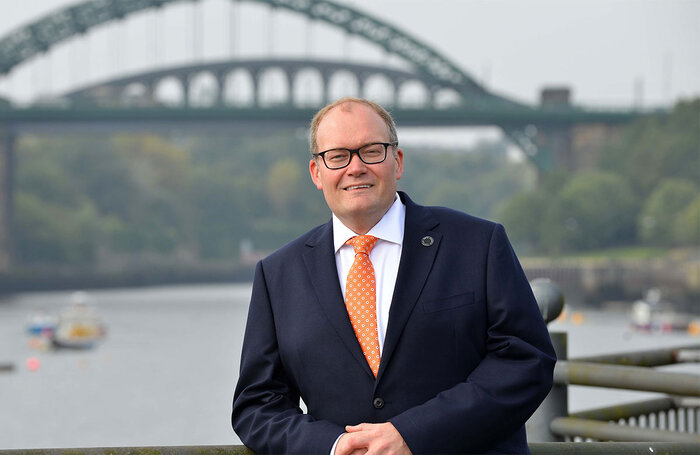
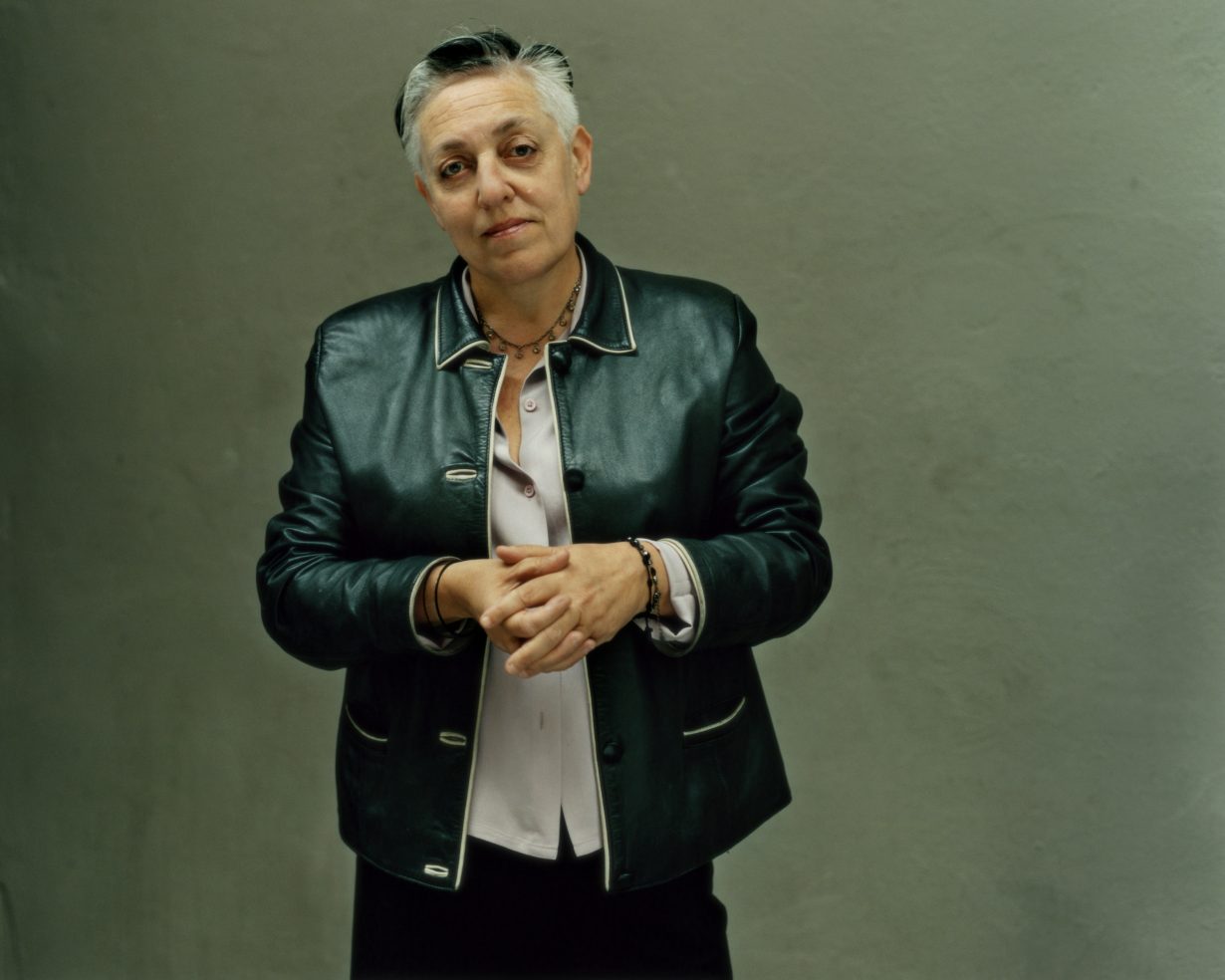
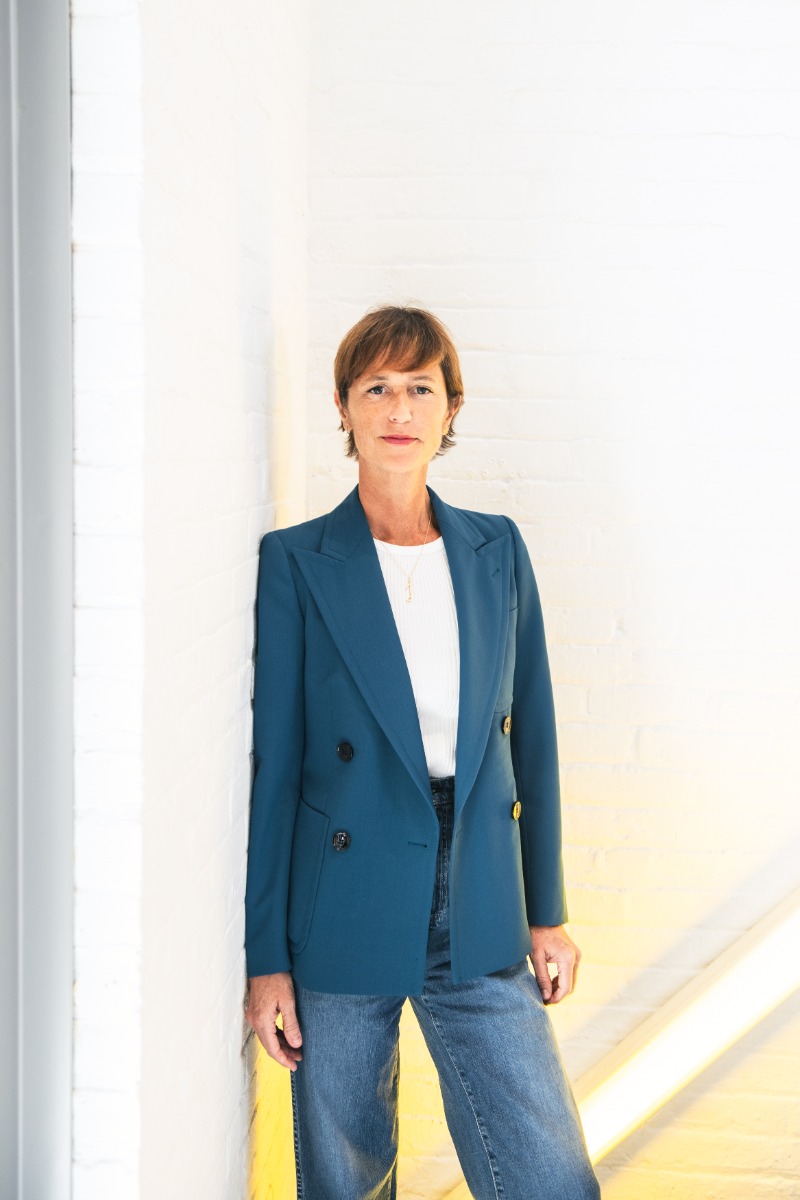
Marilyn Scott has been director since the Lightbox was conceived as a local museum combined with a gallery to show local craftwork. “The ingredient that you need most is a local authority that has a belief in the value of culture to a community; there’s got to be that belief because financially the figures never stack up if you look at the local museum as a business model”.
She was a Woking resident and a lecturer at Greenwich University (and a former fundraiser for the V&A) when she found herself involved in a residents’ campaign. “It was the only town in Surrey without a museum, and we couldn’t see why” she said.
It began with the Woking arts and crafts society finding common cause with the local history group for somewhere to show craft work and tell the town’s story, and they set up a trust.
But disused buildings had been snapped up by businesses decamping from London in the property boom, and the museum would have to be purpose-built: the council was finally convinced and offered an unpromising brownfield patch between the Basingstoke Canal and the main A320 bypass.
Using her contacts in the museum world Scott got the fundraising campaign going, scoured Woking’s basements and attics for a collection and launched an international competition to find an architect. The choice was Marks Barfield, designers of the London Eye. It cost £7m with £3m coming from the borough council and £1.65m from the HLF.
“In the first conversation I had with Marks Barfield I said it’s got to be a place where people want to come, feel easy, and that was absolutely down their street” Scott says. “But I think saying that and doing it physically is very different, and it’s taken ten years. It’s not a quick fix.”
Woking has a very tellable history. The Brookwood Cemetery here was created by the London Necropolis Company in the 1850s as the largest in Europe, with its own railway served by Waterloo Station and its own platform there. Woking had the first mosque in Britain, created by a linguistics professor in the 1880s. And there was the mental hospital, closed to become luxury flats whose in-house museum, containing everything from 19th century lockable shoes for women internees to the apparatus for performing lobotomies in the 1950s, was given to the community with nowhere to show it.
The owner of the now closed local department store, Robinsons, gave his archive, Woking’s new industries from Kenwood kitchen mixers to McLaren racing cars contributed. There are local VC winners, the football club, the Woking-born celebrities from the cricketing Bedser twins to rock stars Rick Parfitt and Paul Weller.
But what made the most difference, Scott says, was the owner of that local football club who also happens to have one of the finest collections of modern British art in private hands, the advertising magnate Chris Ingram.
He has given it on long term loan and in 2007 it had 400 works of art by artists including Elisabeth Frink, Henry Moore and Eduardo Paolozzi. It has grown to more than 650.
“One of the difficulties when you start something new is establishing a level of quality, respectability almost, and because Chris’s collection is so good, although we were the new kids on the block, people took us seriously” Scott says.
So seriously was the Lightbox taken that the year after it opened it won the Art Fund Museum of the Year Prize and with it £100,000. The money was used to turn a ground floor store into a third gallery – Scott had wanted a third floor originally but planning conditions forbade it – to show local craft work in selling exhibitions.
“Our reach has gone so much wider since 2007” she says. “‘Community’ has always been the brief, it’s why the council supported us, but I never thought we would develop the diversity and access we have”. The Lightbox’s major programmes now involve mental health education, dementia, learning difficulties, visual impairment, homelessness and the large Muslim community. There are 20 temporary exhibitions a year.
The books have always balanced, though in some years by dint of some creative accounting, and this has made fundraising harder. “Because outwardly we’re successful, people find it hard to believe that we need to fundraise” Scott says. The council pledged an annual support grant of £300,000 in 2007 but that has not risen, meaning a real cut of about 40%. The rest of the £800,000 running costs has to be raised, and though Scott has a permanent fundraiser on the staff she spends 75% of her own time raising cash. Philanthropy is virtually non-existent outside London, and business sponsorship died with the credit crunch of 2008. Since 2007 the staff has grown by a third to 27, but everyone who works there, she says, is a fundraiser.
Her answer to prospering in an area of cuts is surprising: don’t cut. “I’ve always been nervous about the thought that if money is tight you just stop doing things, and I’ve seen so many organisations do that and then get into a downward spiral which leads to ultimate demise” Scott says. One city art gallery has decided to save on security staff costs by closing every day at 3pm.
“What happens is, no-one knows when the gallery’s open and don’t go, or go at four and find it’s closed so don’t go again. I’ve had many discussions with trustees over the years about where to cut things, but if you stop doing things there’s always a consequence. We’ve just kept on trying to raise more money, and I believe that’s the right way”.
The anniversary in September will be marked by a recreation of the opening, a family day and a party forall those who have been involved in the Lighthouse’sfirst decade. “But we don’t want to be too nostalgic about it, we need to look to the next ten years, so we will mark it by launching the endowment fund we really need” Scott says. “We have to have it to ensure our future, and the aim is half a million in the first year rising to about £10m before it can be useful.
“It’s down to fundraising again” she says. “It never, ever, ends.”